De-Dollarization: A Strategic Future
The Reserve Bank of India’s proposal to link Central Bank Digital Currencies (CBDCs) across BRICS nations marks a significant strategic move ahead of the 2026 BRICS Summit hosted by India. By enabling interoperable digital currencies for cross-border trade and tourism, the initiative aims to reduce reliance on the U.S. dollar, lower transaction costs, and accelerate settlement mechanisms among emerging economies. The proposal signals deeper financial integration within BRICS, enhances the international prospects of India’s digital rupee, and reflects a broader push toward monetary autonomy. However, technological readiness, regulatory alignment, and geopolitical resistance—particularly from the United States—pose substantial challenges. If realized, the initiative could reshape global payment dynamics, but its success will depend on political consensus, technical execution, and sustained coordination among BRICS members.
 P3Publications
0
3186
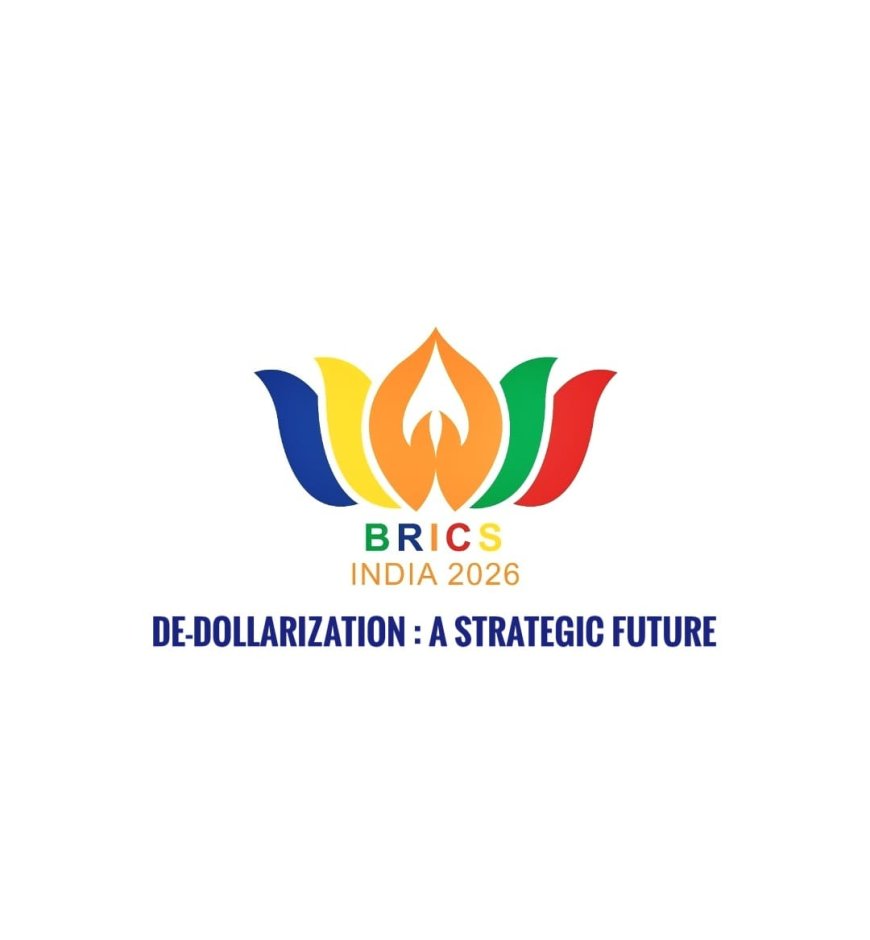
India’s Reserve Bank of India (RBI) has formally proposed that BRICS countries (Brazil, Russia, India, China, South Africa, etc.) link their Central Bank Digital Currencies (CBDCs) to enable smoother cross-border trade and tourism payments with the aim of placing this item on the agenda of the 2026 BRICS Summit that India will host.
Strategic Implications:
Potential Shift in Global Payment Dynamics
* A linked BRICS CBDC system would reduce reliance on the U.S. dollar for intra-BRICS transactions — a long-standing objective of the bloc’s members amid rising geopolitical tensions.
* By enabling direct digital settlements in native digital currencies, members could bypass traditional dollar-based transaction systems (e.g., SWIFT), lowering costs and settlement times.
Strategic implication: This could weaken the dollar’s dominance in global trade and enhance financial autonomy for emerging economies.
Deeper BRICS Financial Integration:
* The initiative builds on previous BRICS commitments to payment system interoperability.
* A shared framework for CBDC interoperability would require agreement on technology standards, governance, and mechanisms to handle trade imbalances
Strategic implication: It signals BRICS moving toward a more integrated economic and monetary cooperation regime, potentially rivaling Western-led systems.
Boost for India’s Digital Rupee:
*India’s e-rupee already has a significant domestic user base and is being positioned for international utility — especially in trade corridors with BRICS partners.
Strategic implication: Interoperability could enhance the global visibility and usage of the Indian currency, supporting India’s broader economic diplomacy.
Economic & Technical Challenges:
* All core BRICS members are still in CBDC pilot stages, and none have fully launched operational digital currencies.
*Interoperability requires complex technical integration and consensus on regulatory frameworks — hurdles that could slow actual implementation.
Strategic implication: Even if adopted, practical execution will take time, and outcomes will depend on overcoming technology and policy coordination challenges.
Geopolitical Backlash and U.S. Reaction:
Moves perceived as challenging the dollar’s central role could draw negative reactions from the United States. Past statements from U.S. leadership have framed BRICS financial initiatives as “anti-American” and even hinted at sanctions or tariffs.
Strategic implication: This proposal isn’t just economic — it carries geopolitical signaling, potentially intensifying U.S.–BRICS strategic competition.
Overall Strategic Takeaway:
India’s CBDC linkage proposal reflects an ambition to reshape payment systems within BRICS — aiming to enhance economic integration, reduce dependence on the dollar, and elevate the role of digital fiat currencies in global finance. However, practical, geopolitical, and technology challenges remain significant, and outcomes will depend on consensus and implementation at future BRICS forums.
--A note by
Subhashish Banerjee
Founder & Head of Strategy
P3