The Shaurya Conclave with the Ministry of Defence, Government of India
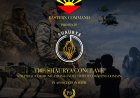
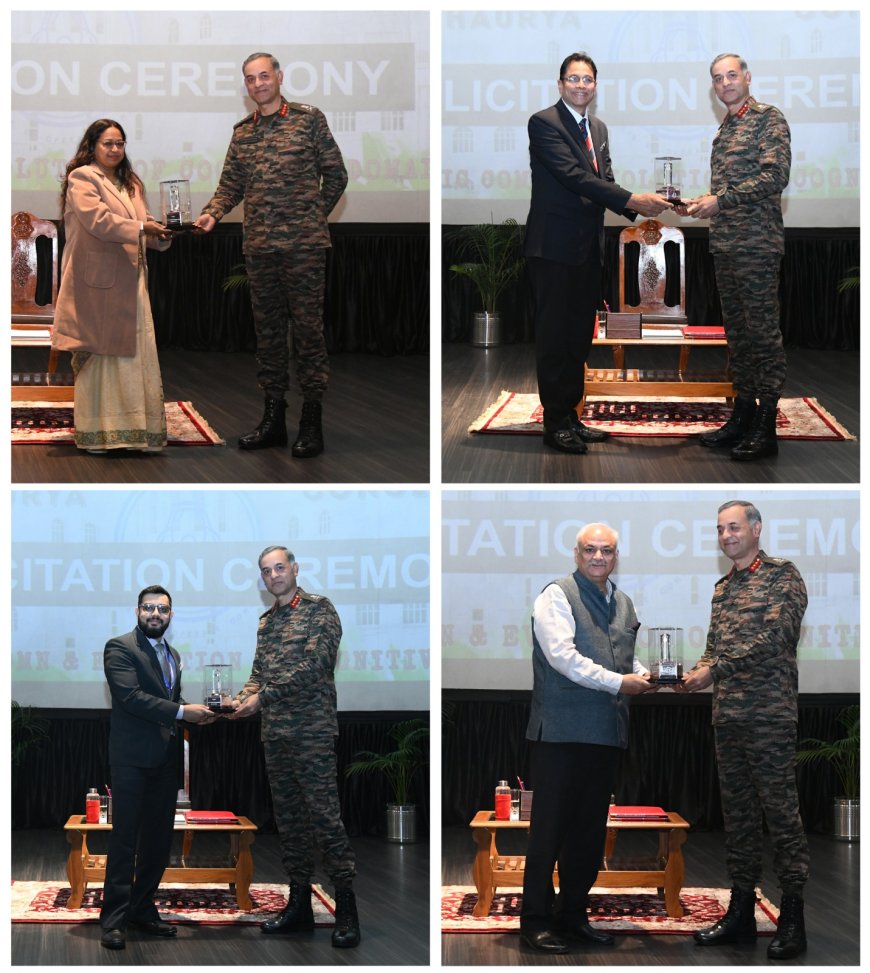
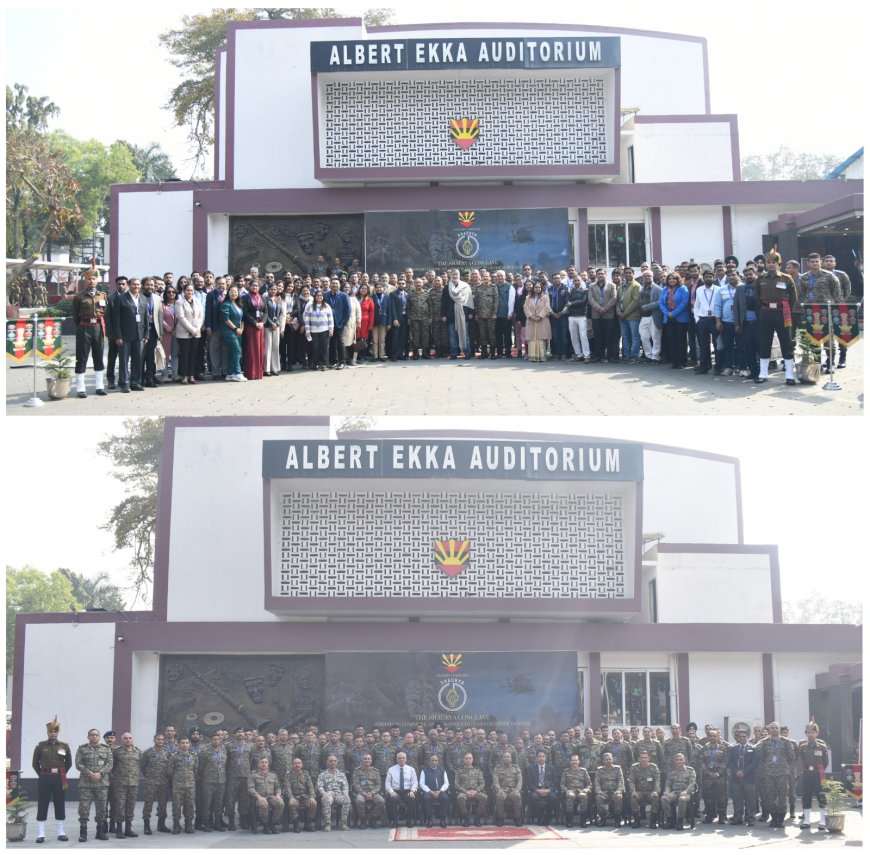
The Shaurya Conclave 2026, hosted by the Eastern Command of the Indian Army, emerged as a landmark platform addressing the growing importance of strategic communication and the cognitive domain in modern national security. As a key knowledge and strategic partner, P3, the Strategic Think Tank played a pivotal role in shaping the intellectual framework of the conclave by curating discourse that bridged military strategy, media responsibility and public policy. Through its expertise P3 strengthened civil–military dialogue, reinforced narrative sovereignty and highlighted the critical role of informed communication in countering misinformation and hybrid threats. The conclave reaffirmed P3’s position as a leading strategic think tank contributing to India’s evolving security ecosystem by fostering thought leadership, policy relevance and future-ready national discourse.
 P3Publications
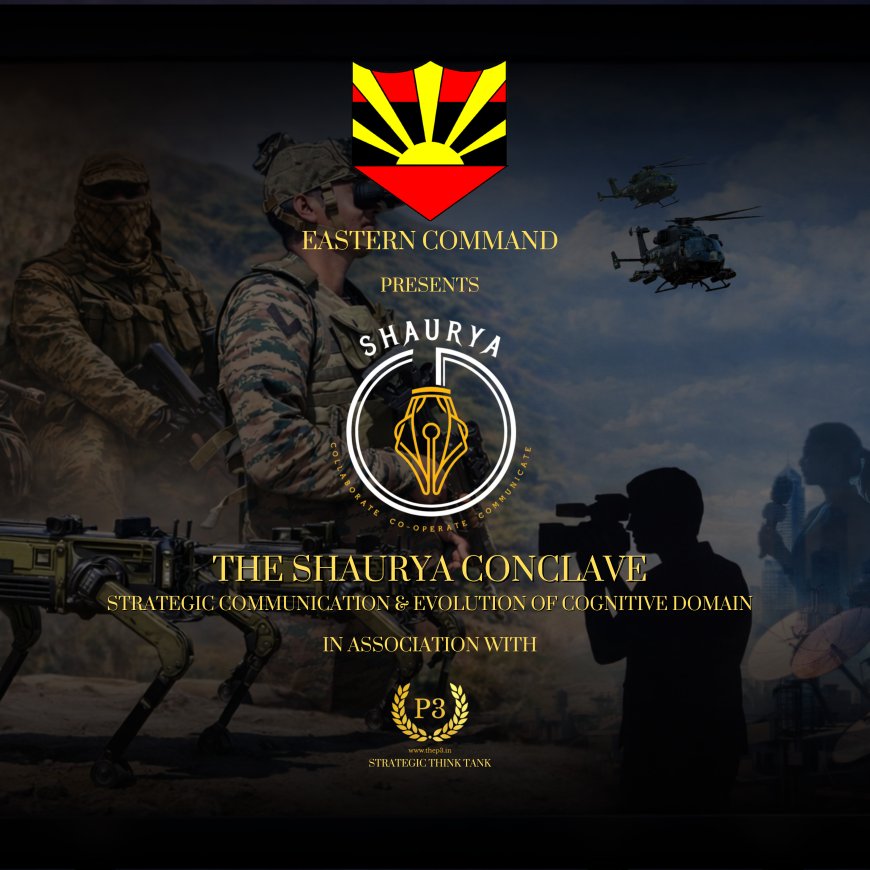
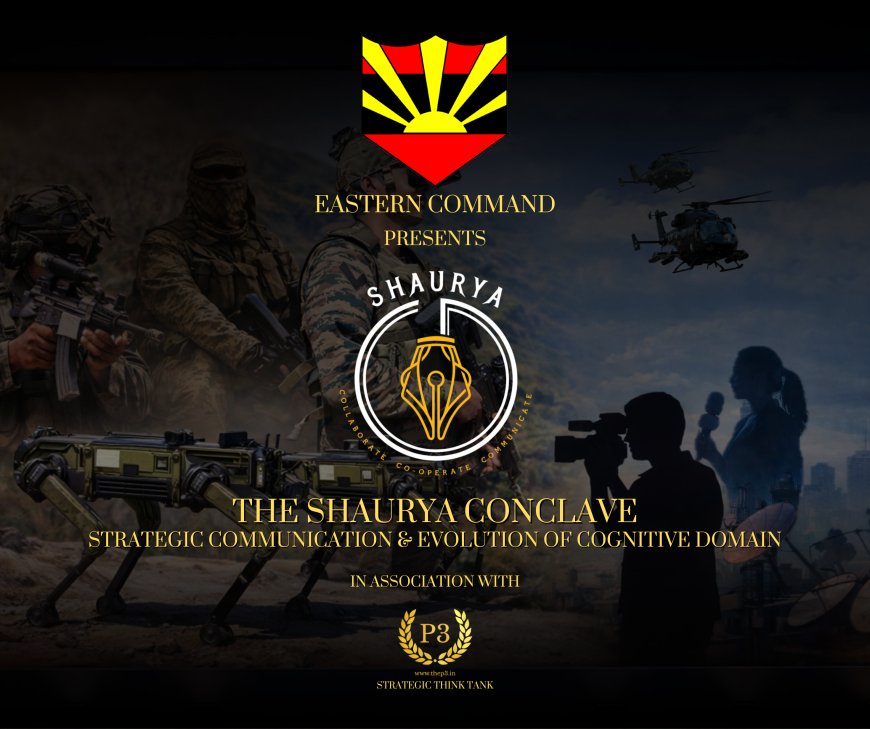
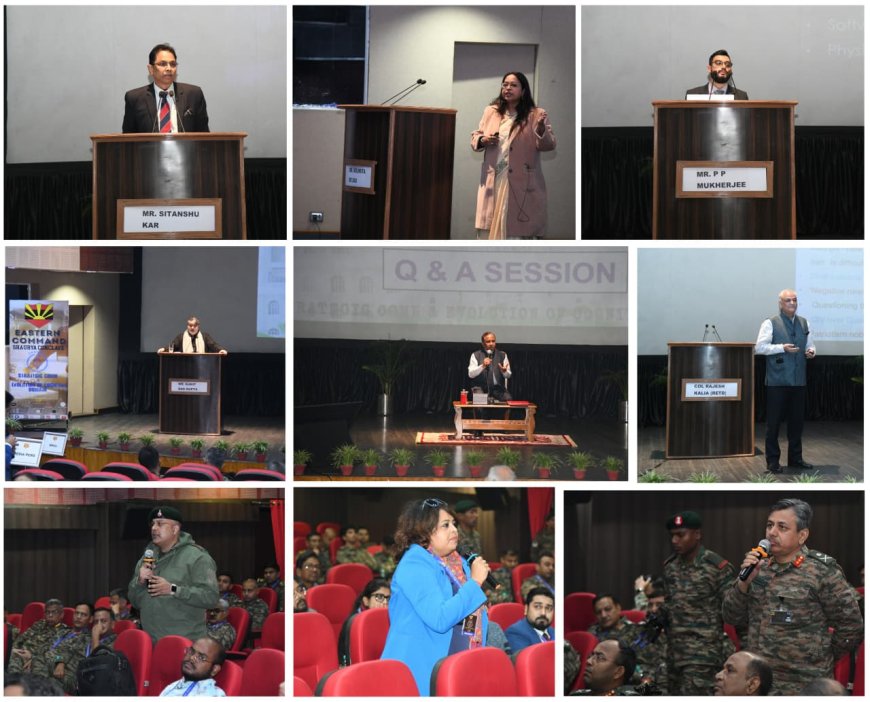
The Shaurya Conclave 2026 — hosted by the Eastern Command of the Indian Army under the theme “Strategic Communication and the Evolution of the Cognitive Domain” — was an extraordinary convergence of thought leadership, strategic discourse and future-oriented dialogue held on the 9th and 10th of Jnauary 2026, in Kolkata. This conclave emerged as a defining landmark in understanding how information, influence and perception shape modern national security paradigms.
A New Frontier in Security: Why the Shaurya Conclave Matters
In an age where conflict is no longer limited to kinetic battlefields but extends deeply into information and cognitive domains, the Shaurya Conclave underscores a transformational shift in strategic thinking. The event brought together senior military officials, seasoned journalists, eminent scholars and thought leaders in communication and security — recognizing that winning narratives and shaping perceptions are as crucial as traditional military capability.
Deliberations spanned the complexity of today’s information environment, exploring how media and military synergy can fortify national resilience against misinformation, disinformation and malign influence. Participants offered robust perspectives that blended operational experience, media practice and academic rigor — highlighting how strategic communication has become central to national security architecture.
P3 Strategic Think Tank: A Key Collaborative Force
At the heart of this seminal event was the collaboration between Eastern Command and P3 Strategic Think Tank — a premier research and advisory organization dedicated to advancement of strategic insights. P3 stands by a mission to bridge public policy with people and strategy, fostering intelligent discourse around pressing national and global issues.
P3 helped shape the narrative and intellectual framing of the conclave. Its involvement amplified the relevance of the discussions — particularly around how communication strategies must evolve in sync with nation-state imperatives. In partnership with the Indian Army, P3 brought together multi-disciplinary voices to interrogate the challenges and opportunities emerging from the cognitive domain.
This association reflects P3’s commitment to thought leadership in strategic advisory and public discourse, continuing its tradition of fostering high-impact platforms that address India’s strategic priorities.
Strategic Communication: The New Battleground
The conclave’s emphasis on strategic communication resonates with global trends in security studies where information influence is recognized as a core dimension of power. Strategic communication is not merely about messaging — it is about shaping environments, influencing perceptions, and aligning narratives with national objectives. In volatile geopolitical contexts, crafting credible and coherent communications becomes essential for safeguarding democratic institutions and public trust.
Speakers highlighted the vital role of transparent engagement between the military and media — framing accurate narratives and bridging the gap between national security institutions and citizens. This is particularly essential in democracies where public understanding influences policy acceptability and strategic resolve.
Relevance in Today’s World
The Shaurya Conclave’s relevance extends beyond defence circles. As the digital revolution amplifies information velocity and public participation in discourse, societies must equip themselves with frameworks that discern fact from falsehood. The conclave articulated this reality with urgency and depth — recognising that today’s conflicts are waged not only on borders, but in minds and narratives.
In an era defined by hybrid warfare, psychological operations, cyber influence campaigns and global social media ecosystems, India’s proactive engagement with strategic communication signals a future-ready posture — embracing not only physical defence but also narrative sovereignty.
A Forward-Looking Strategic Impetus
The Shaurya Conclave 2026 stands as a seminal chapter in India’s strategic journey — broadening the contours of security discourse to include the cognitive and informational forces that shape modern conflict and cooperation. With P3, the
Strategic Think Tank playing a collaborative role, the conclave demonstrated that holistic security is anchored in strategic thinking, interdisciplinary dialogue and an empowered media-military partnership.
As nations grapple with evolving threats and shifting paradigms, platforms like the Shaurya Conclave — propelled by intellectual engagement and strategic foresight — will guide India’s path toward cognitive resilience, strategic communication leadership and informed national discourse.